
COMMUNITY ENGAGEMENT DIGITAL TOOLKIT
HOW TO USE THE TOOLKIT
CHOOSE
YOUR CONTENT
& GRAPHICS
BROWSE
THE READY-TO-USE
MATERIALS
LAUNCH
YOUR WELLNESS
CAMPAIGN
This toolkit will allow you to use print materials, social media content, community meetings (virtual or in-person), and community canvassing to promote preventive healthcare and vaccinations in hard-to-reach and underserved communities. If you or your organization have your own digital and/or social media sites, the Toolkit contains content and images that you can use on these sites.
Together, these components provide a full range of options for executing a campaign that fits the capabilities and strengths of your organization. Please choose the campaign elements that best reflect the circumstances, demographics, cultural specifics and needs of your community. This toolkit will support you with:
- Raising awareness of the underlying chronic health conditions that are impacting the County communities where you work and serve, and promote how individuals and families can mitigate their risks through preventive care.
- Motivating residents to re-engage with their trusted healthcare provider for routine wellness visits and/or give them the skills and tools to help identify a trusted and affordable healthcare provider.
- Raising awareness about how underlying or chronic health conditions can increase a person’s risk of having adverse health outcomes from a COVID or flu infection and the need to take preventive measures to protect oneself, including vaccinations and masking.

PRINTABLE CAMPAIGN
COMPONENTS

DIGITAL CAMPAIGN
COMPONENTS

COMMUNITY ENGAGEMENT
TACTICS
PRINTABLE CAMPAIGN COMPONENTS
READY-TO-USE POSTCARDS
These 5” x 7” postcards are ready to print and distribute. Postcards can be displayed in your lobby and handed out during community outreach and specific events.
Knowing Your Family Health History

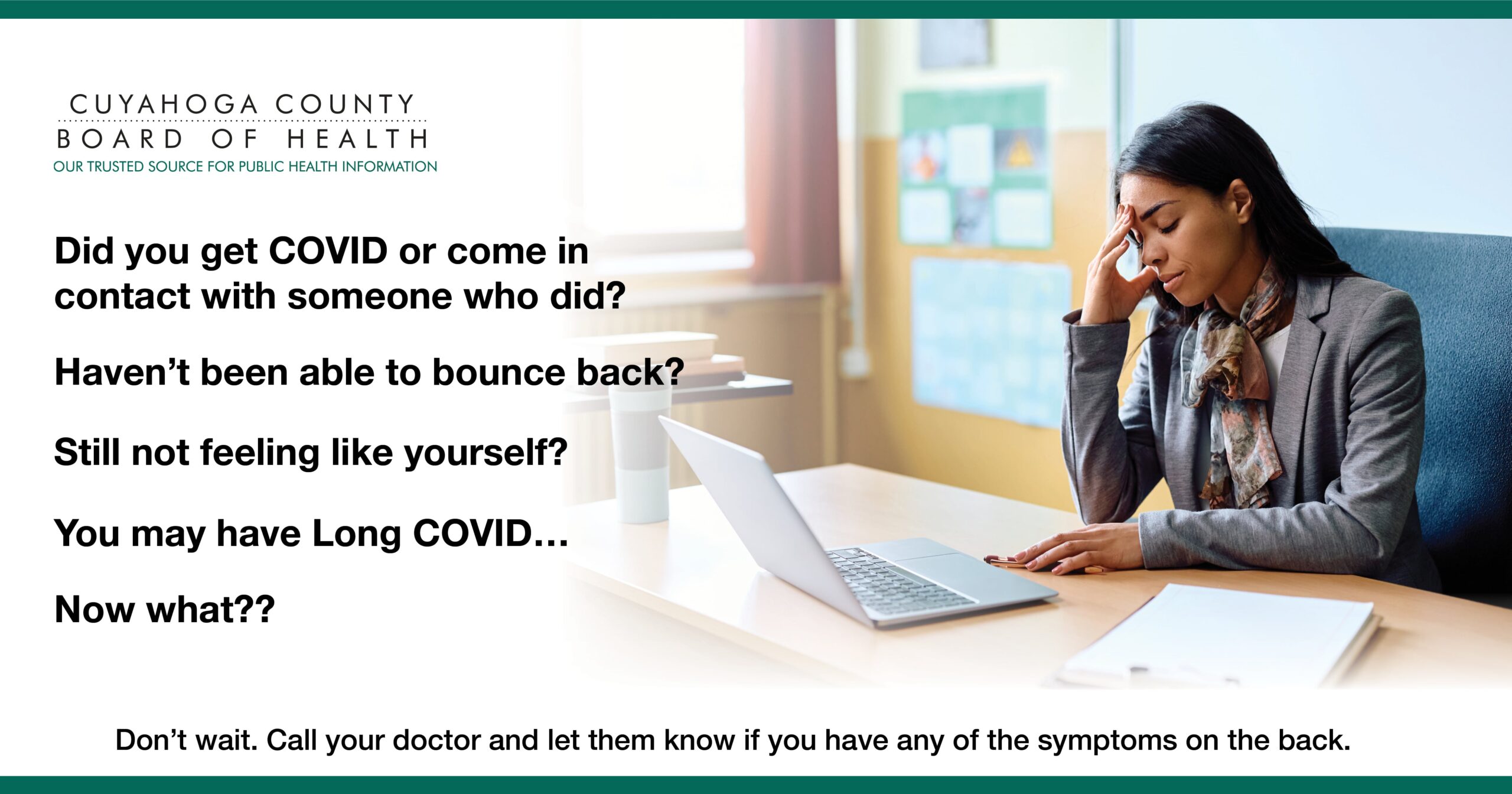
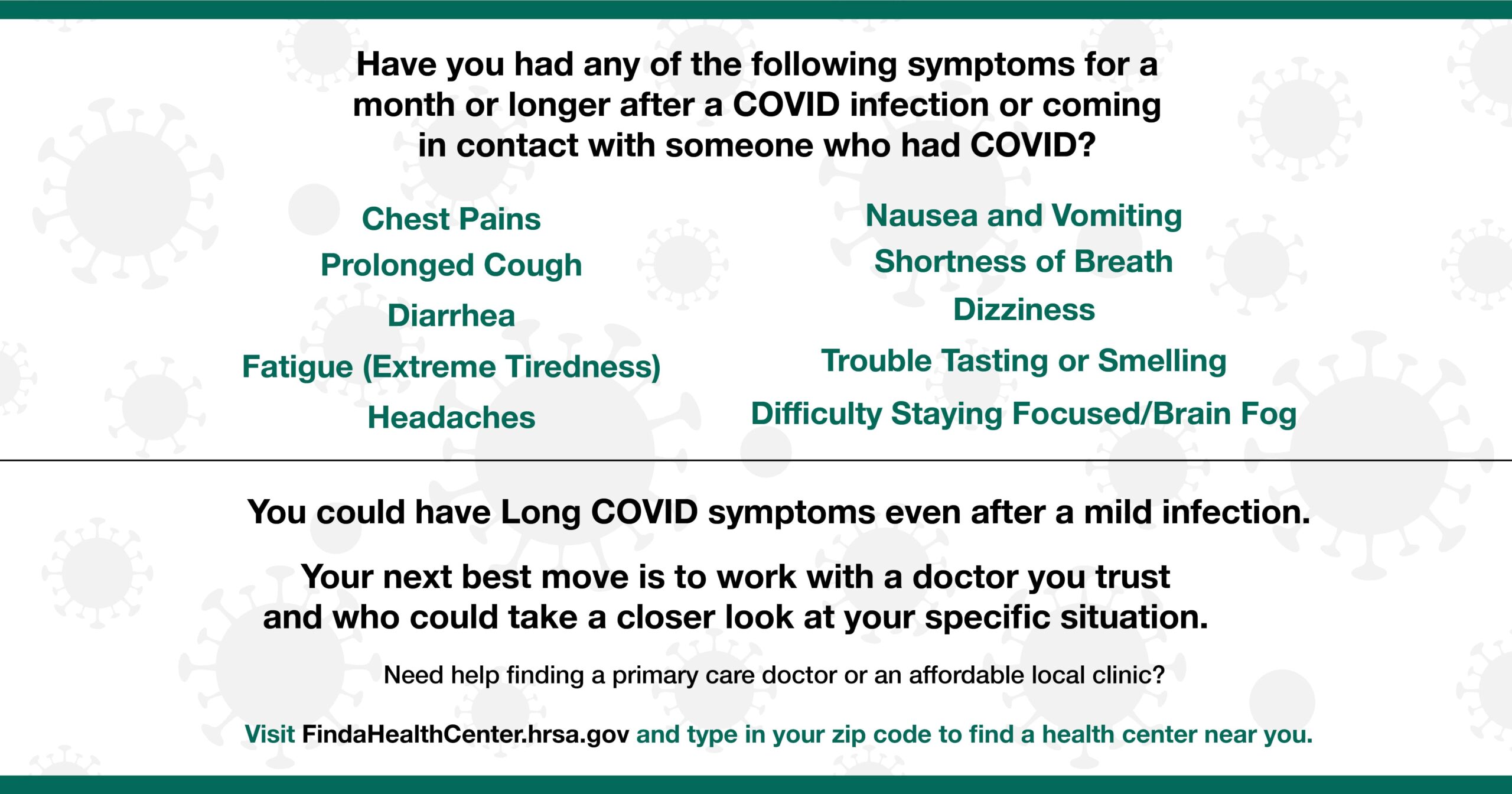
Long Covid Awareness

Identifying a Trusted Healthcare Provider (and Why)


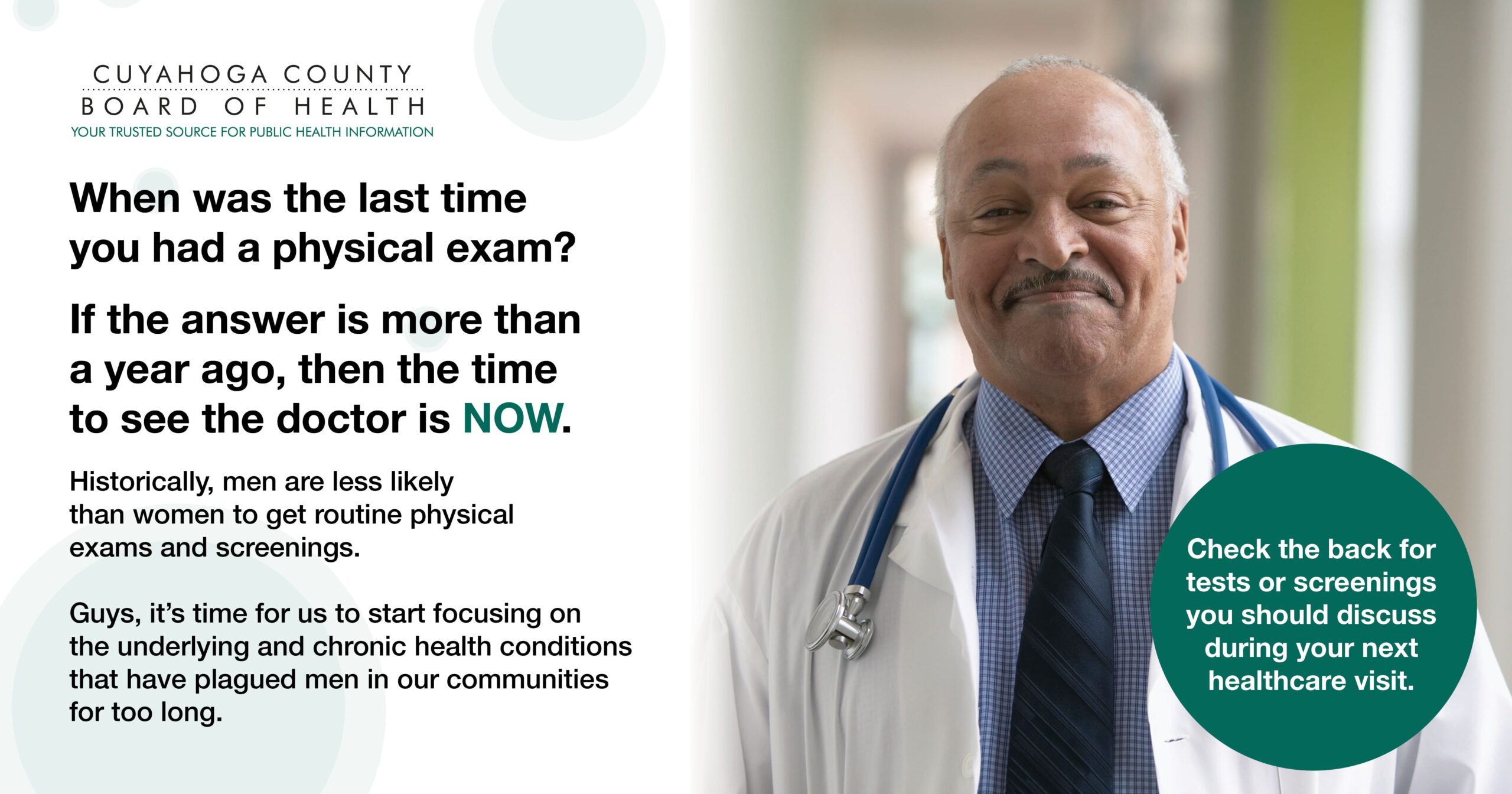
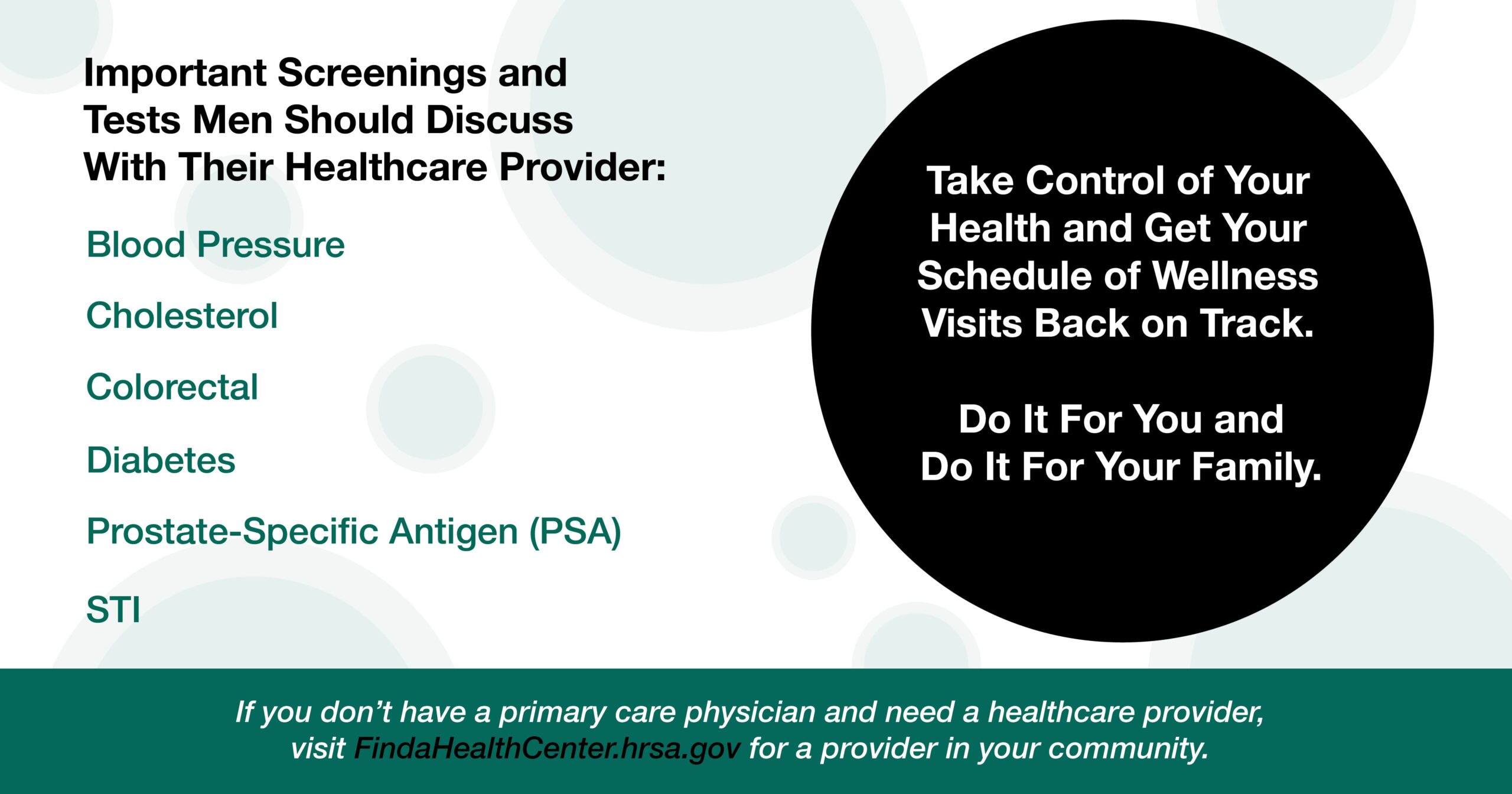
Maintaining Routine Medical Visits (Male Focused)



Immunizations for Children


Knowing Your Family Health History
These messages explain to residents the importance of understanding one’s family health history and how individuals can be a health advocate for themselves and their family. If desired, you can add a call-to-action to the end of each post to drive them to your organization’s services.
Post #1
Knowing and acting on your family health history is an important way to protect your health and the health of your children. Take the time to collect your family health history and share it with your healthcare provider during your next wellness visit. Your healthcare provider can use that information to develop a more complete understanding of your health and your risk factors for chronic disease. Together, you can work on ways to reduce your risk.


Post #2
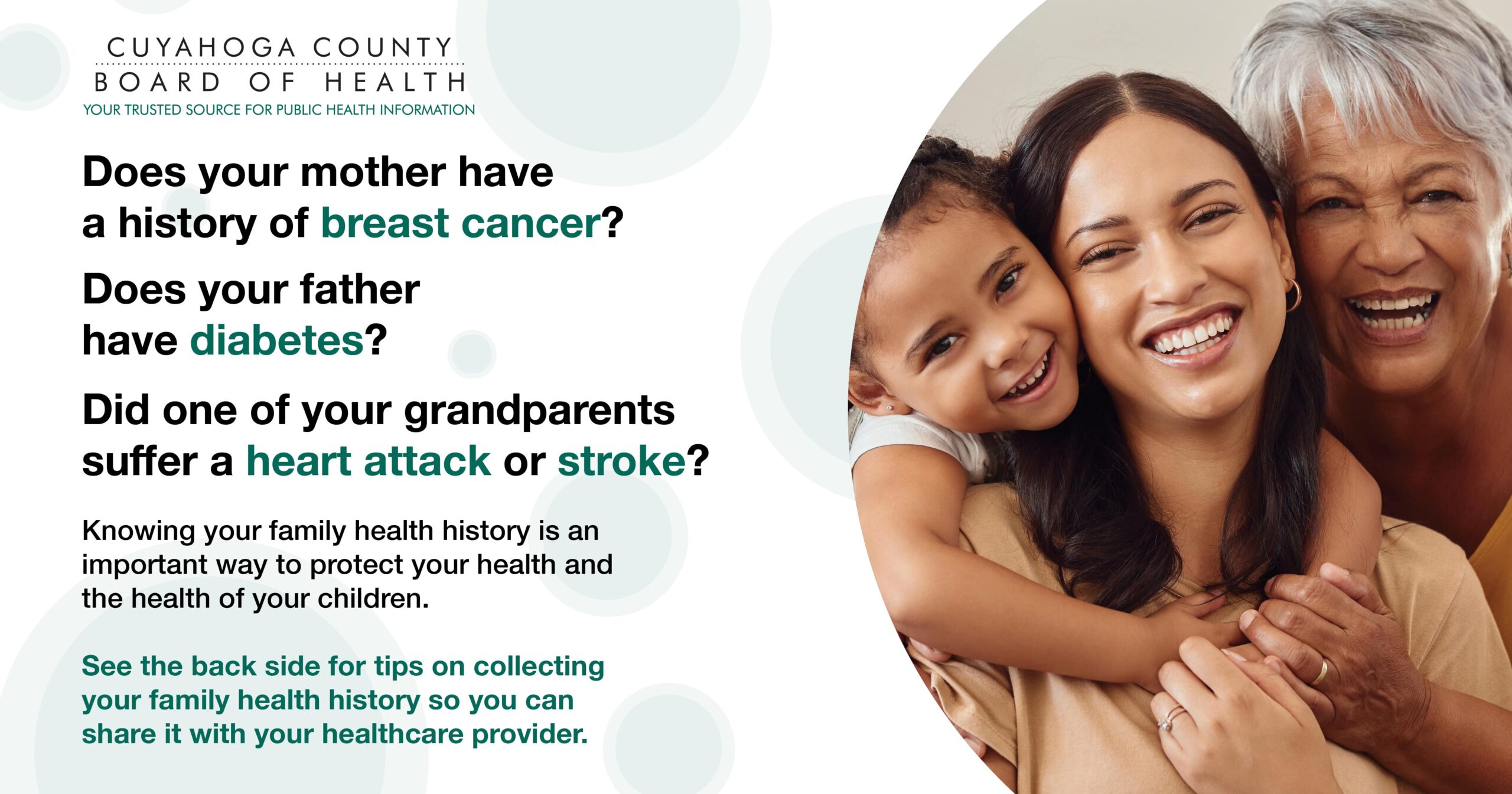
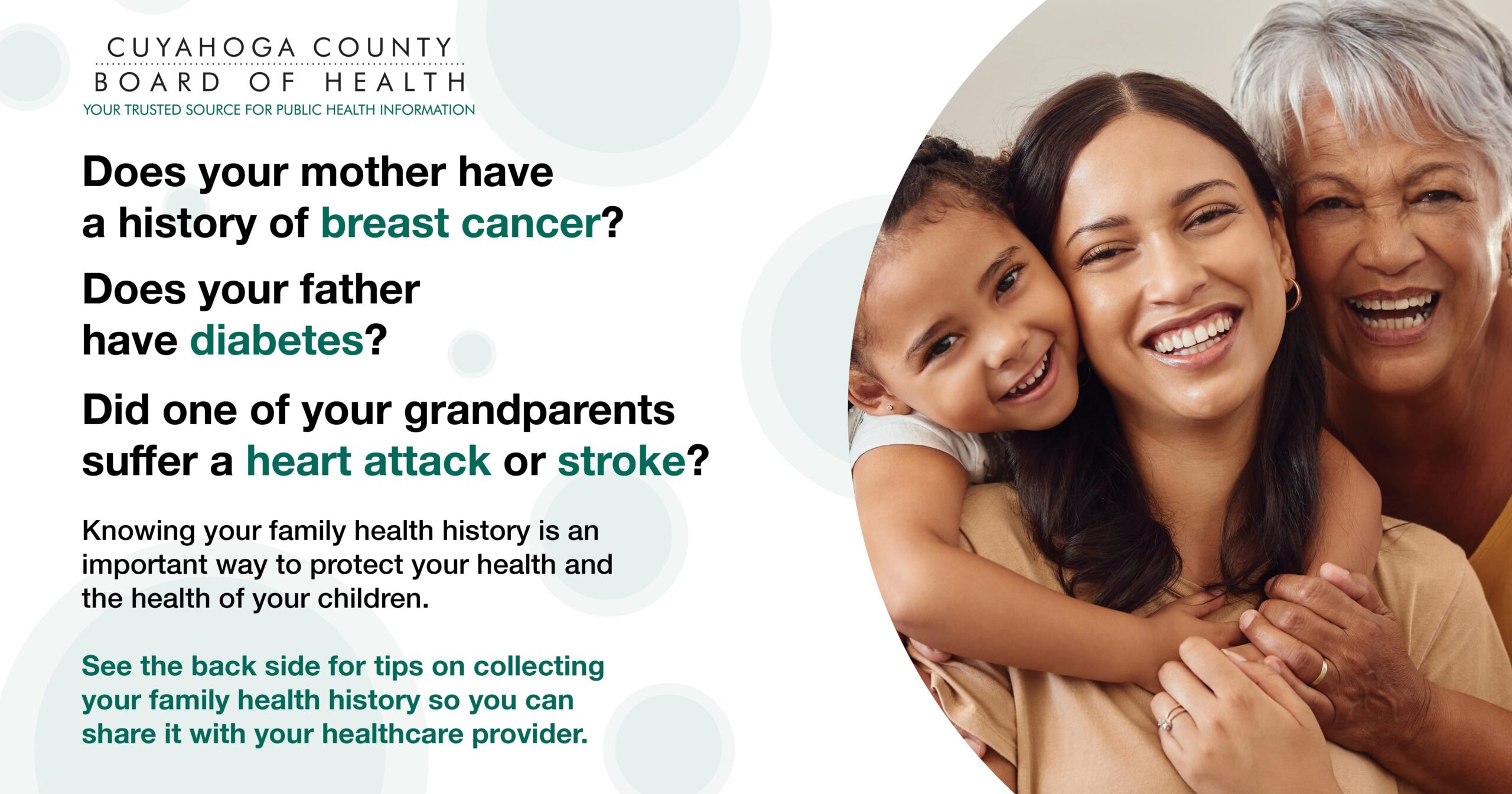
Does your mother have a history of breast cancer? Does your father have diabetes? Did one of your grandparents suffer a heart attack or stroke? The sooner we understand the connection between our family’s health and our own, the sooner we can make lifestyle changes to help us live longer, healthier lives. A look into your family’s past can tell you a lot about your potential future.

Post #3
You can use the U.S. Surgeon General’s web-based tool, “My Family Health Portrait,” to keep track of your family health information. Visit https://cbiit.github.io/FHH/html/index.html to get started.
Post #4
Knowing and acting on your family health history can be an important part of staying healthy. Family health history can help your healthcare provider decide what screening tests you should take and when. For example, if you have a parent, sibling, or child with breast cancer, your healthcare provider might recommend that you start mammography screening earlier in life than others.
Take the time to collect your family health history information from your family members. It might not be easy – your family members might not be comfortable talking about their diseases. But starting the conversation is an important first step. The conversation won’t benefit just your health, but also the health of everyone in your family.

Post #5
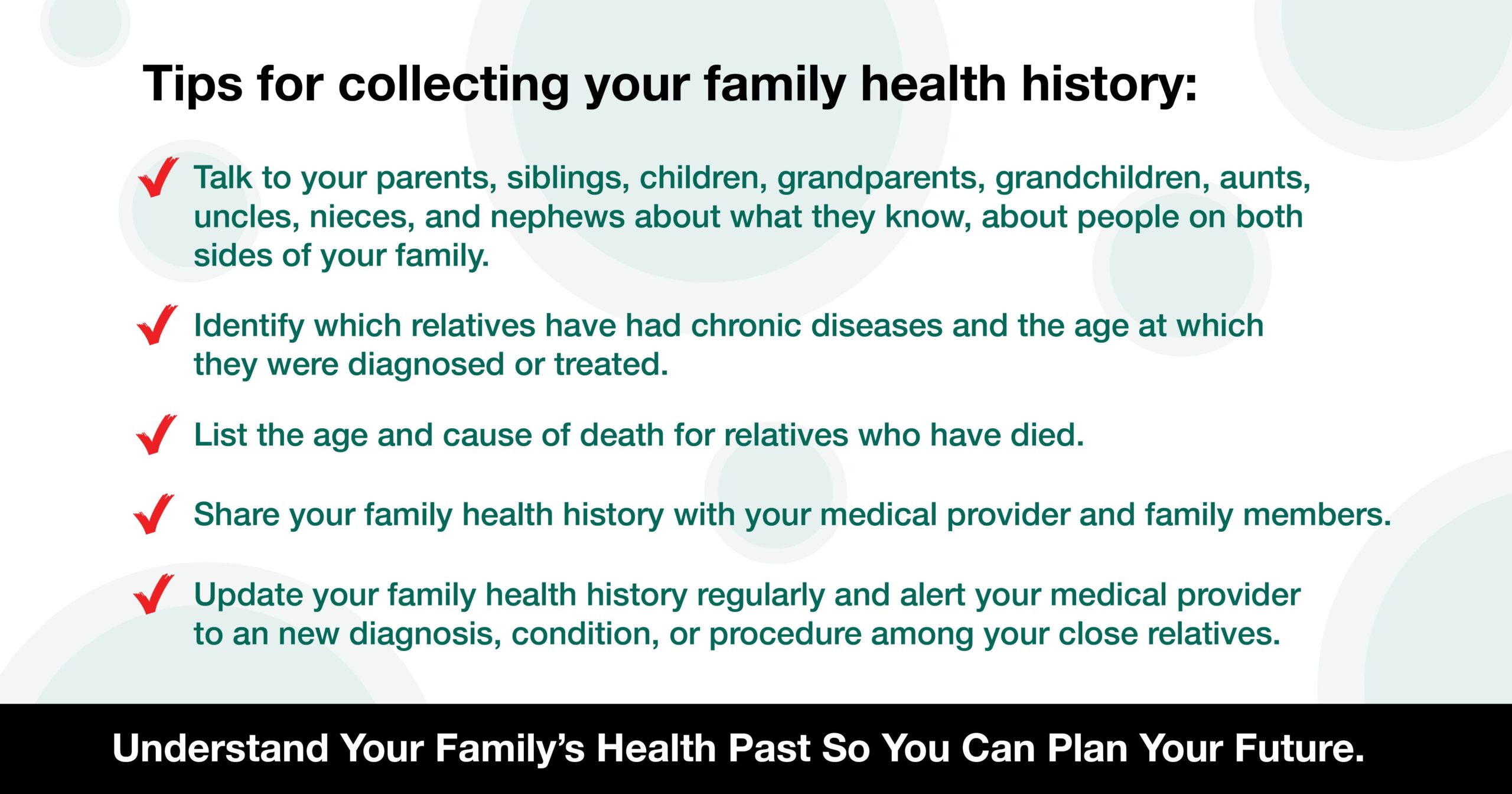
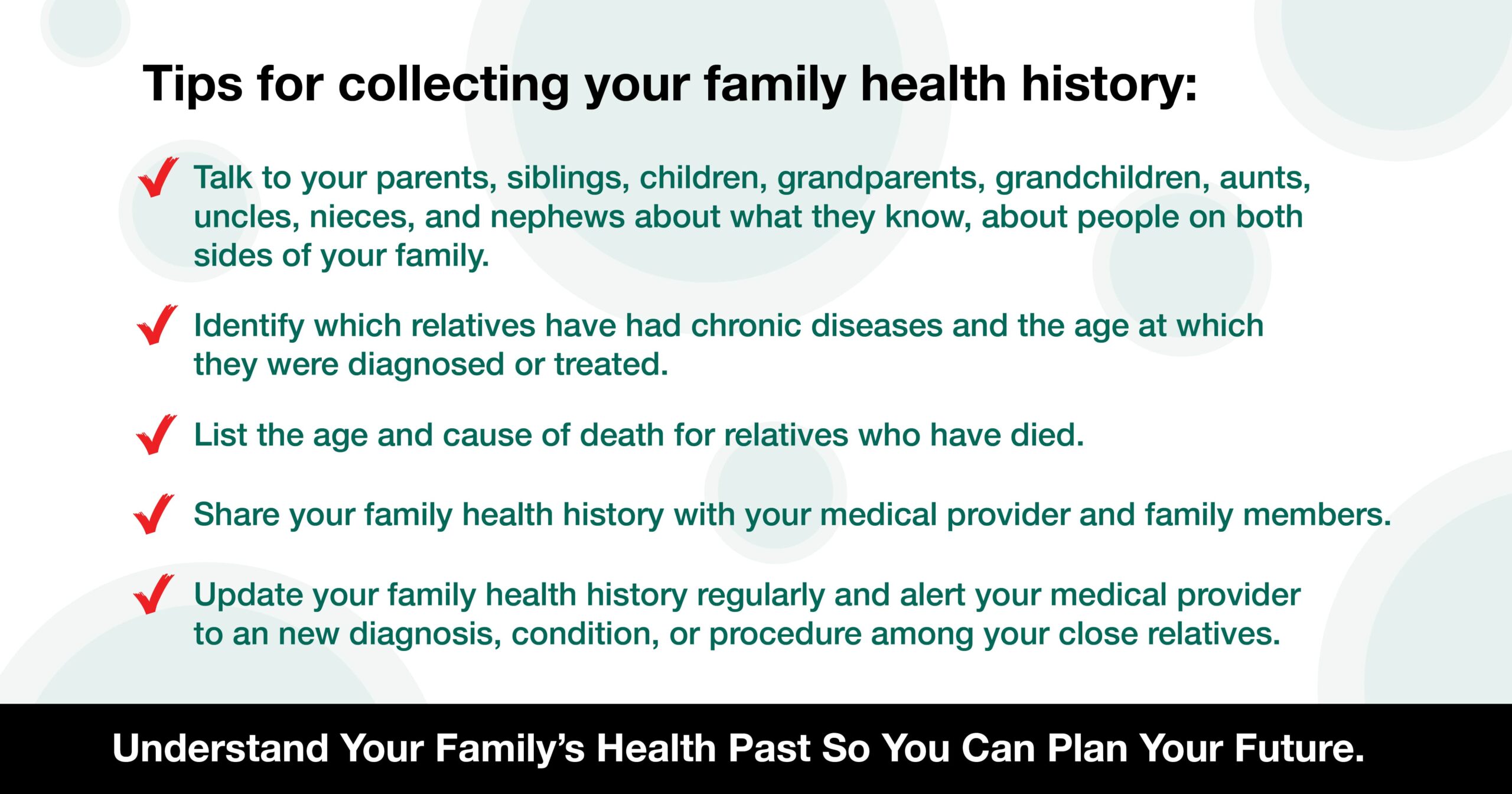
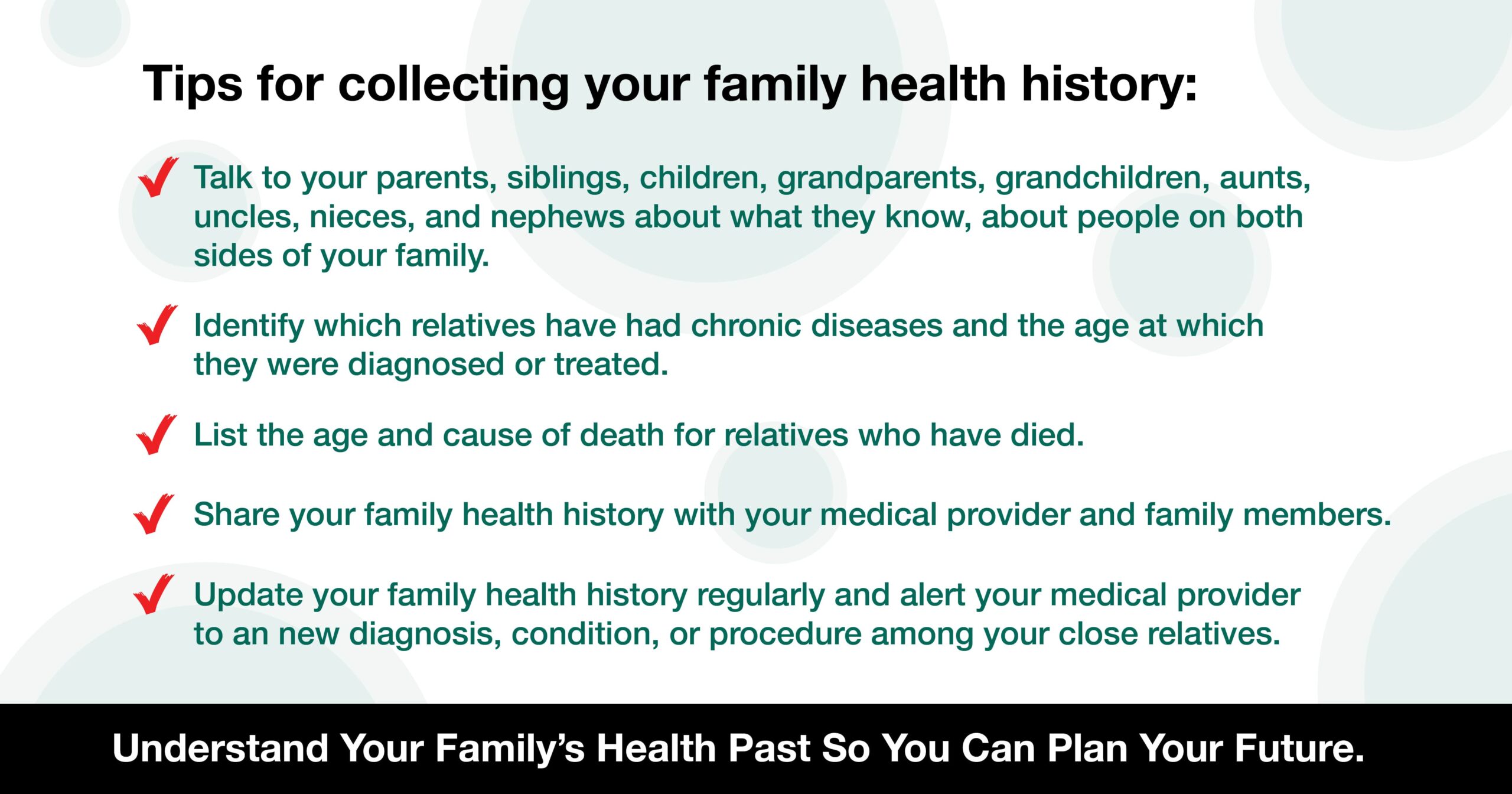
Are you ready to collect your family health history but don’t know where to start? Use the tips in this image to help you get started!


DIGITAL CAMPAIGN COMPONENTS
These social-media messaging and graphics are designed to use and share on Facebook, but can be altered for Twitter (now X), and Instagram. The messaging and graphics are categorized by concept area.
Copy and paste the messaging below and download the graphics for use on social media platforms, newsletters, email blasts and more.
Identifying a Trusted Healthcare Provider (and Why)
These messages provide residents with guidance and tips on how to identify a trusted and affordable healthcare provider, including asking trusted family members or friends for and reading reviews from current or recent patients. If desired, you can add a call-to-action to the end of each post to drive them to your organization’s services.
Post #1
It’s time to take control of your health and well-being! First step: if you don’t already have one, find a medical professional you can trust and who treats you with respect. There are plenty of local health clinic options across Cuyahoga County. Visit FindaHealthCenter.hrsa.gov and type in your Zip Code to find a health center near you.
Post #2
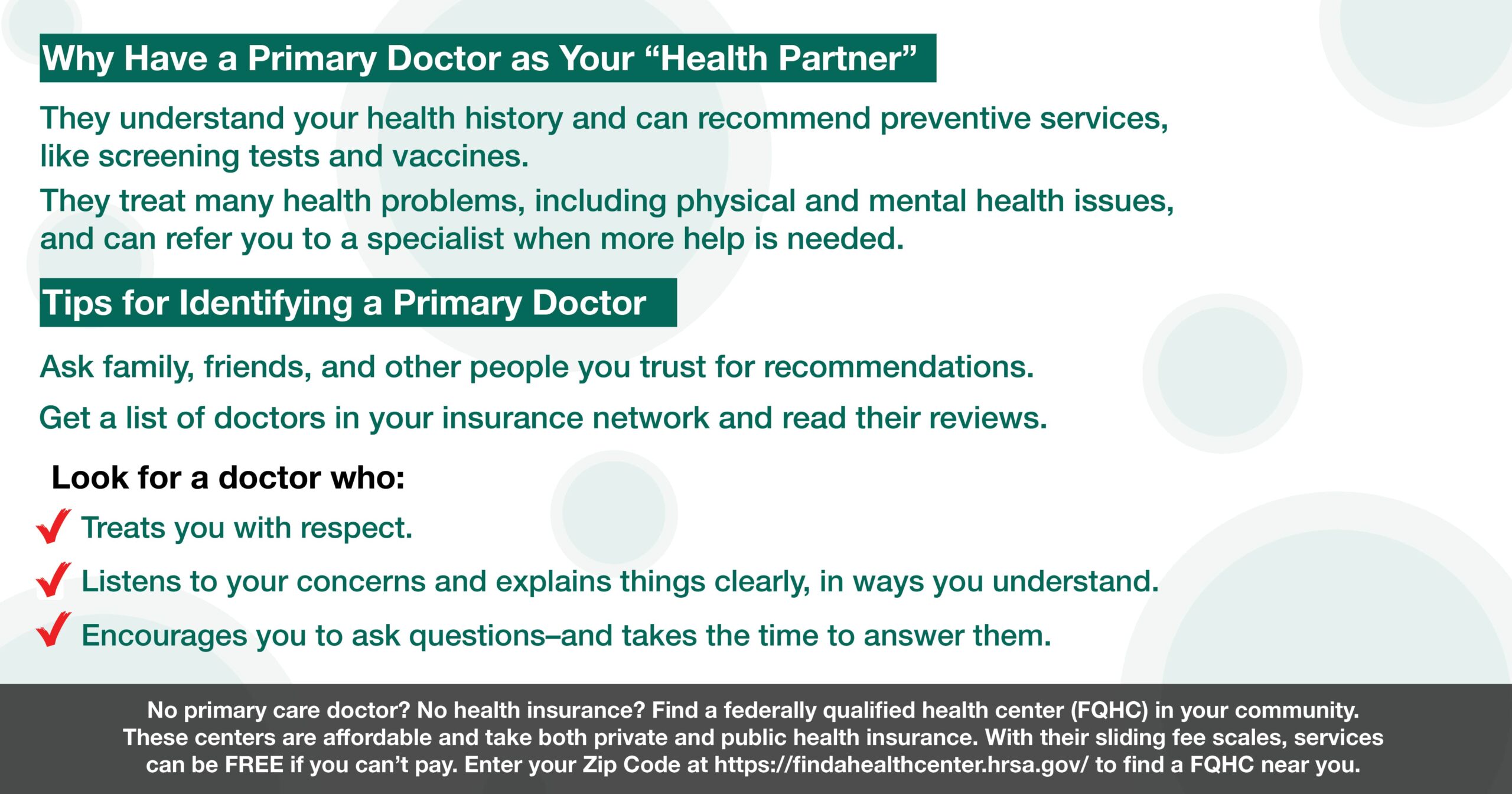
Having a trusted doctor by your side can help keep you on the path to a successful recovery from illness or disease. Don’t wait! Get the medical support and care you need to feel your best! Check out the images below for the “Benefits of Having a Primary Doctor” and “Tips for Identifying a Primary Doctor.”
Post #3
If you don’t have a primary care physician and need a healthcare provider, visit FindaHealthCenter.hrsa.gov and type in your Zip Code to find a health center near you. Know that federally qualified health centers are affordable and take both private and public health insurance. And services can be FREE if you can’t pay. Don’t wait. Act now.
Post #4
Trouble finding a primary doctor you can trust? Long wait times for an appointment? Trouble getting prescriptions or refills? Don’t let these challenges keep you from getting the healthcare that you need and deserve. Take control of your health. Find a doctor who works with you and treats you with respect. Check out the images below for the “Benefits of Having a Primary Doctor” and “Tips for Identifying a Primary Doctor.”


Maintaining Routine Medical Visits
These messages explain to residents the importance of maintaining a schedule of routine medical visits, including how it can provide a good example for children and other family members. If desired, you can add a call-to-action to the end of each post to drive them to your organization’s services.
Post #1
Cuyahoga County, it’s time for us to start focusing on the underlying and chronic health conditions that have plagued some of our communities for too long. Check in with your health care provider to get your schedule of wellness visits back on track. That way, you can stay healthy and address any known or unknown pre-existing conditions. If you don’t have a primary care physician and need a healthcare provider, visit FindaHealthCenter.hrsa.gov and type in your Zip Code to find a health center near you.
Know that federally qualified health centers are affordable and take both private and public health insurance. And services can be FREE if you can’t pay. Don’t wait. Act now!
Post #2
Historically, men are less likely than women to get routine physical exams and screenings, along with testing for diseases and conditions that may not yet be causing symptoms. Discuss testing or screening for these issues with your healthcare provider: blood pressure, cholesterol, colorectal cancer, diabetes, prostate-specific antigen (PSA) and sexually-transmitted infections (STI.) If you already have one of these diseases or conditions, more frequent testing may be required.
Post #3
When was the last time you had a routine physical exam? If the answer is more than a year ago, then the time to see the doctor is NOW.
Historically, men are less likely than women to get routine physical exams and screenings. Guys, it’s time for us to start focusing on the underlying and chronic health conditions that have plagued men in our communities for too long. Check the image for a list of screenings that you should discuss with your healthcare provider during your next visit.
Take Control of Your Health and Get Your Schedule of Wellness Visits Back on Track. Do It For You. Do It For Your Family.


Post #4
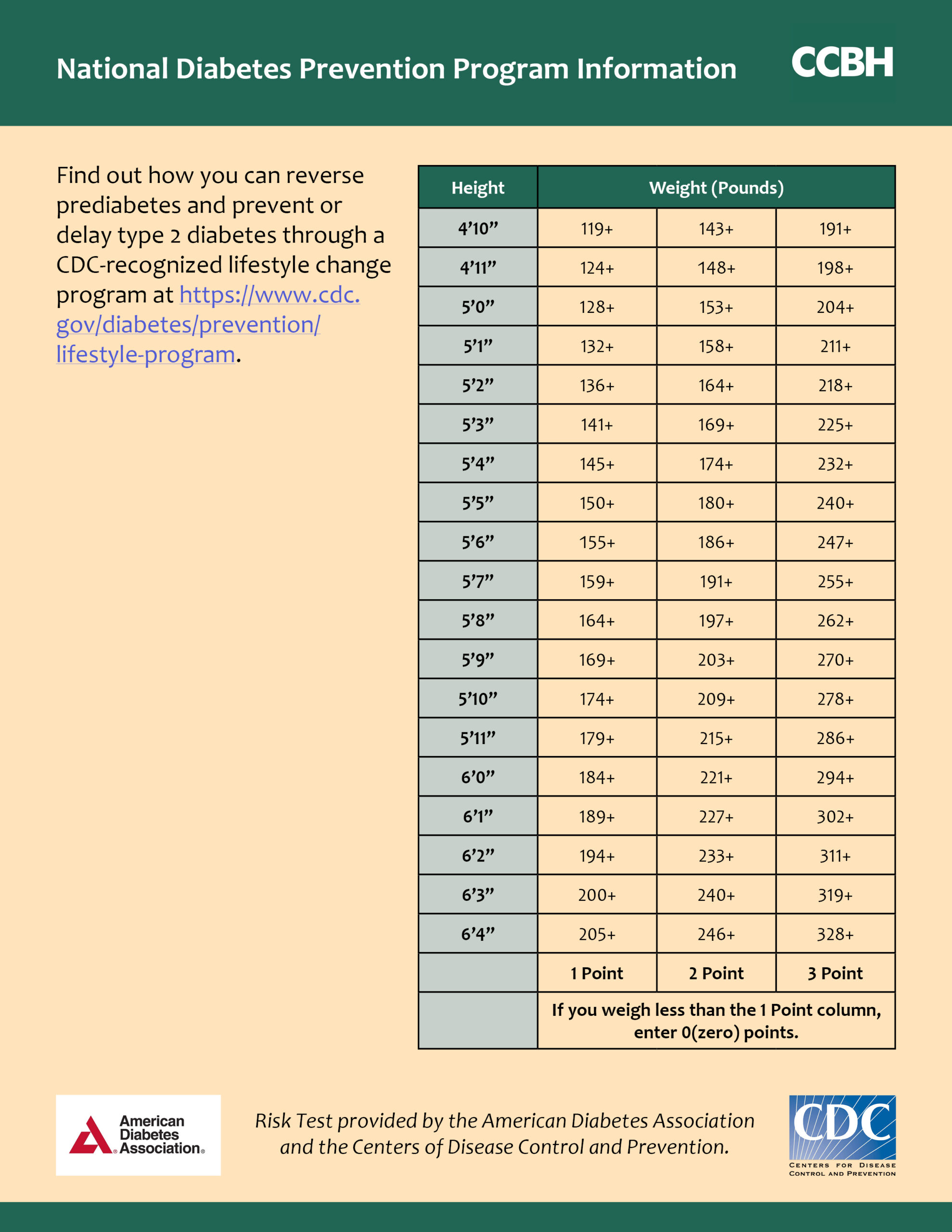
One in three American adults have prediabetes. Do you? Type 2 diabetes and prediabetes are conditions in which blood sugar levels are higher than normal. People with diabetes are more likely to have severe symptoms and serious complications from COVID or other viral infections. Your risk of getting very sick from COVID is likely to be lower if your diabetes is well-managed.
Take the test below to see where you stand. If you score 5 or higher, then you are at increased risk for having prediabetes and are at high risk for type 2 diabetes. Only your doctor can tell for sure if you have prediabetes or type 2 diabetes. Talk to your doctor to see if you need additional testing.

Mental Wellness Support
These messages acknowledge that residents face many things day in and day out that can have a negative impact on their mental wellness. The posts encourage residents to talk to someone they trust or contact 988 if they feel the need for help. If desired, you can add a call-to-action to the end of each post to drive them to your organization’s services.
Post #1
There are many things that we face day in and day out that can have an impact on our mental wellness. Make sure to check-in with how you’re feeling. Everybody has a bad day from time to time, but when these bad days last or don’t go away, or it’s getting hard to function with your day-to-day activities, it’s OK to get or ask for help.
Talk to your partner, friend, counselor, pastor or other person you trust. Mental wellness support is for everyone. Please call the crisis hotline at 988 if you are need of immediate help.


Post #2
Don’t take your mental wellness for granted. We have to take care of our mind the same way we take care of our body or our spiritual health. You don’t have to solve life’s problems alone. There are people who you can talk to when you feel stressed, sad, lonely or confused. Don’t let pride keep you in pain. Talk to your partner, friend, counselor, pastor or other person you trust. Mental wellness support is for everyone. Please call the crisis hotline at 988 or your medical provider if you are need of immediate help.


Promoting COVID & Flu Vaccinations
These messages acknowledge that vaccinations are a personal decision, but also encourage residents to educate themselves about vaccinations through their trusted sources (i.e., healthcare provider, loved one, etc.). If desired, you can add a call-to-action to the end of each post to drive them to your organization’s services.
Post #1
Do you have questions about the COVID and flu vaccines? Do you need one or both? Should you get them? Is it safe? We understand that vaccinations are a personal decision, so we encourage you to discuss your situation with people you trust. Consult with your family and friends. Talk to your trusted healthcare provider. Make the decision that is best for you, your family and your loved ones.


Post #2
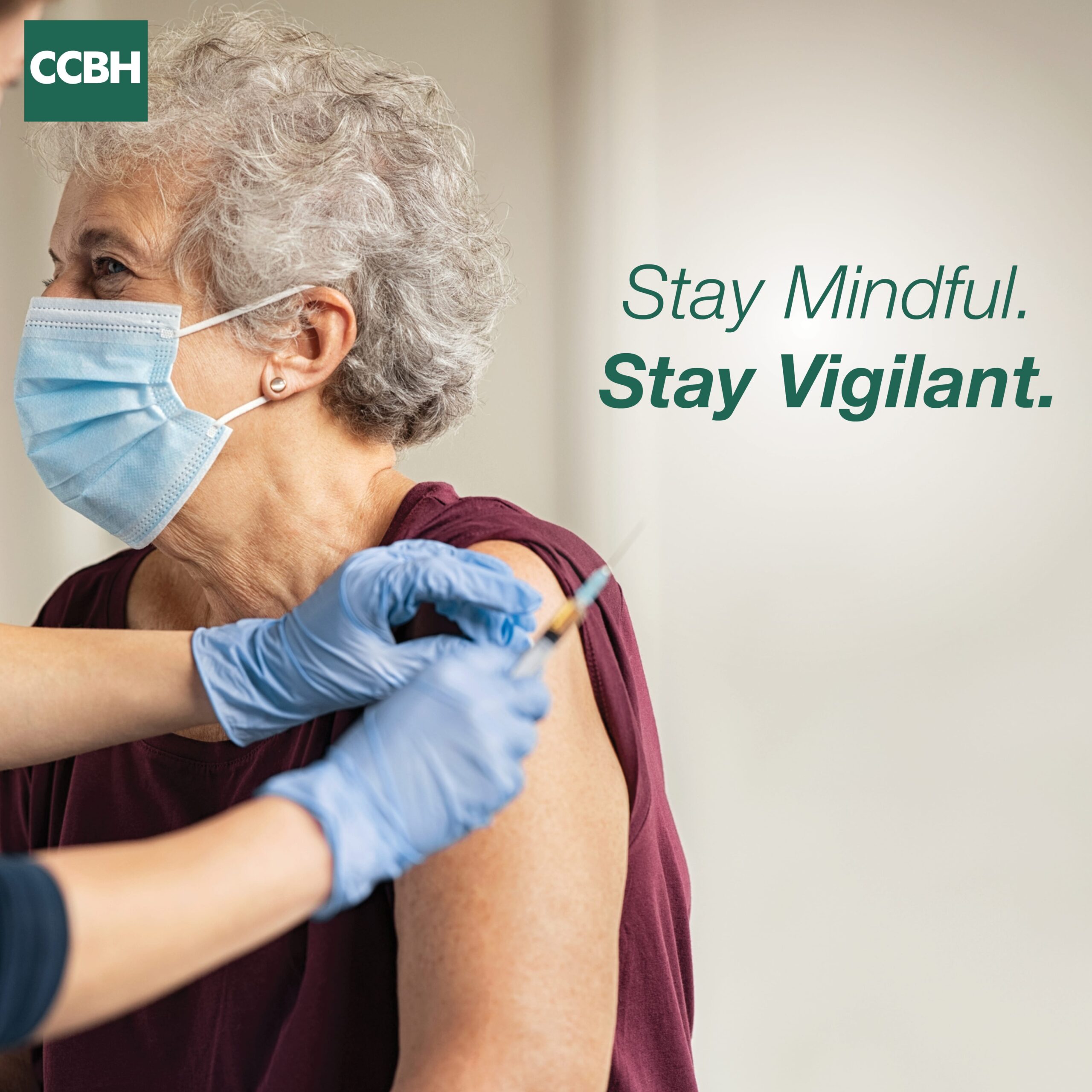
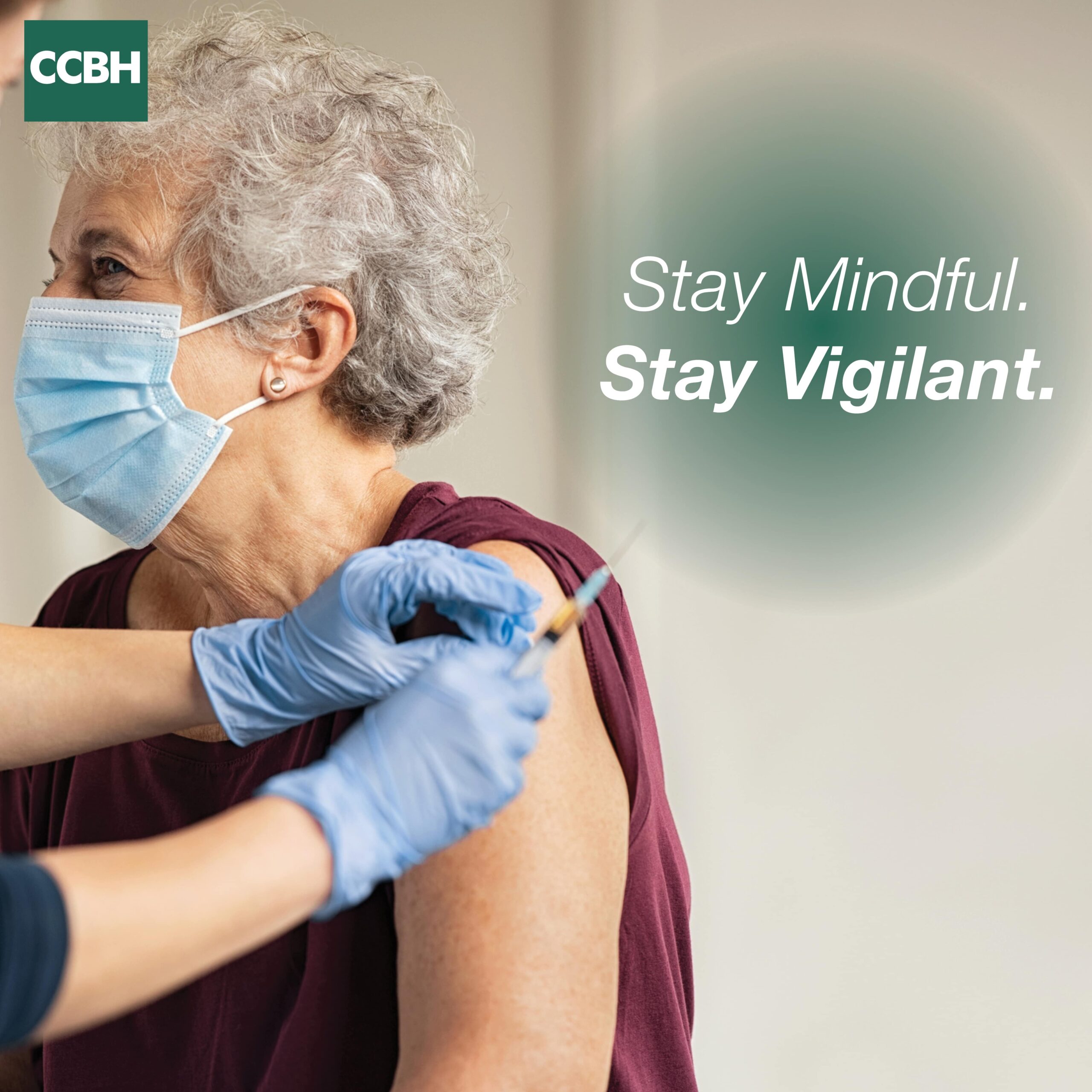
Stay mindful and vigilant to protect yourself and your family members with chronic or underlying health conditions. You are also at higher risk if you have a compromised or weakened immune system due to disease, medications, or cancer treatments. Protect yourself and those around you by getting a flu shot and the updated COVID vaccine as soon as you are eligible. Don’t wait! We are all #InThisTogether.


Post #3
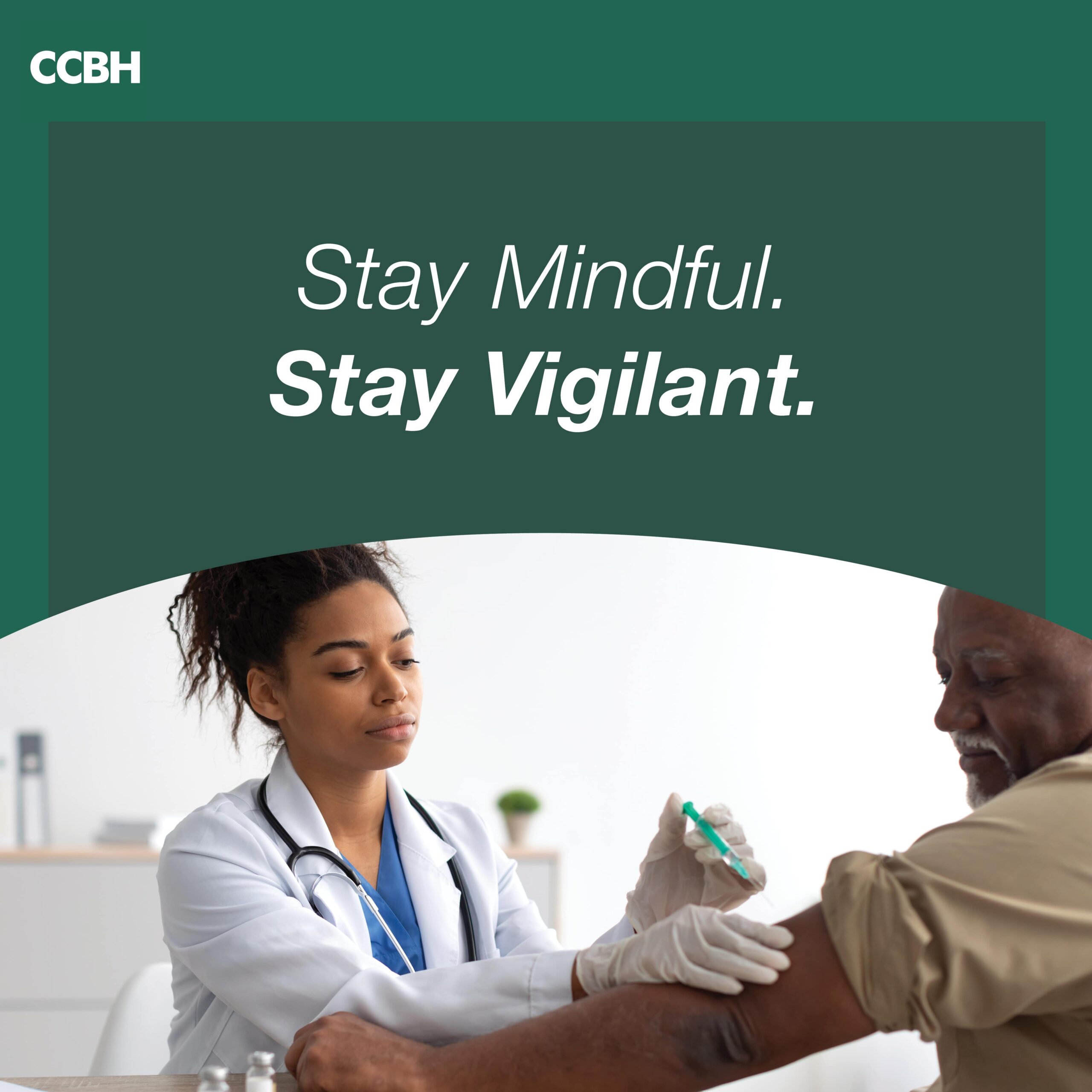
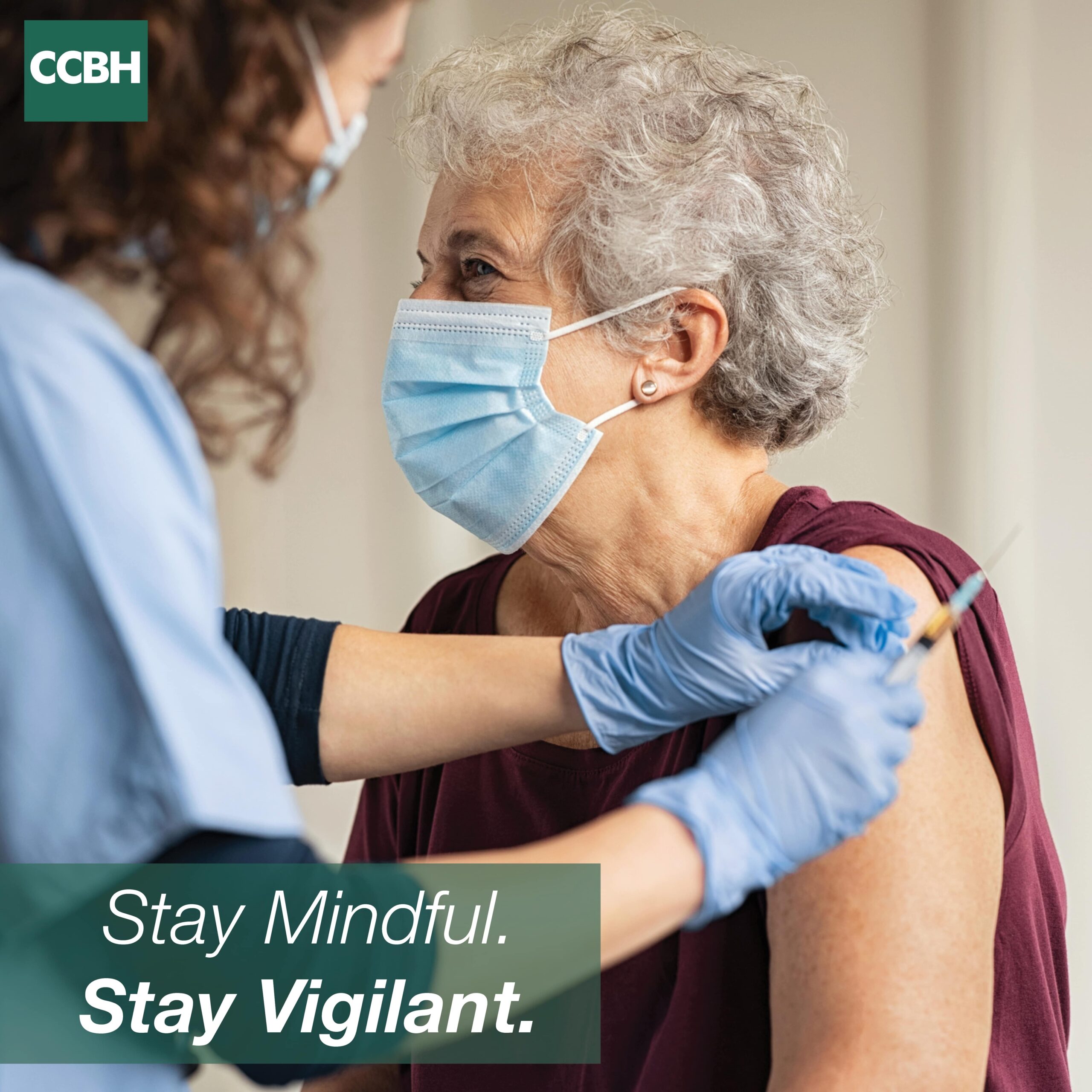
Many of our seniors have underlying health conditions that put them at higher risk for a severe illness or death if they get infected with COVID or the flu. Show your loved ones you care, by staying healthy yourself. Get a flu shot and the updated COVID vaccine to protect your health and those at higher risk. We are all #InThisTogether.




Post #4
COVID and the flu do not discriminate. But they do hit harder in communities where many of us already have pre-existing conditions that put us at higher risk. #DoYourPart to prevent the spread of COVID and the flu by getting a flu shot and the updated COVID vaccine.




Post #5
Do you know the difference between the common symptoms of a cold, the flu, and COVID-19? Use this image to understand the symptoms you or your loved one may be experiencing.

Promoting Immunizations for Children and Adults
These messages encourage residents to educate themselves about vaccinations and encourage them to visit a healthcare provider to ensure that they and their children are up-to-date with their routine vaccinations. If desired, you can add a call-to-action to the end of each post to drive them to your organization’s services.
Post #1
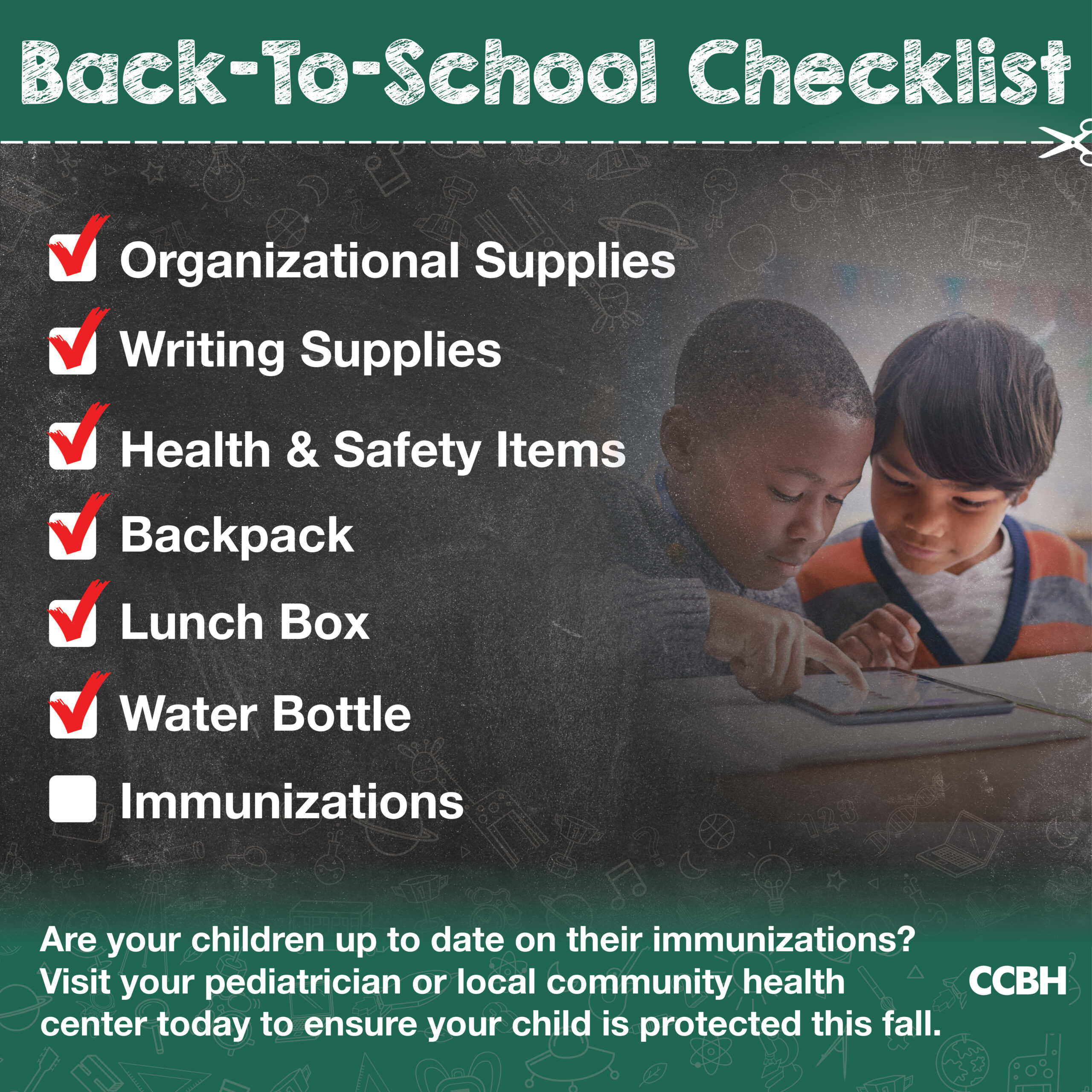
The start of school is on the horizon and we want to make sure that the County’s children have everything they need to have a fun, safe and productive school year. Parents and caregivers, we know you are already working on your children’s back-to-school list.
While you may be focused on finding all the necessary school supplies, don’t forget to make sure that your child is up-to-date with all their immunizations. Visit your pediatrician or local community health center today to ensure your child is protected this fall. If you don’t have a pediatrician and need a healthcare provider, visit FindaHealthCenter.hrsa.gov and type in your zip code to find a health center near you.
Post #2
Are your children up to date on their immunizations? The COVID-19 pandemic caused disruptions in routine health services, including vaccinations for both children and adults. Routine vaccinations are a great tool to keep kids healthy, in school and ready to learn. Vaccines can optimize student health by:
- Providing immunity and preventing disease outbreaks
- Reducing the spread of disease in school and the number of students and teachers who get sick and/or are absent.
Post #3
Now that school is back in session, it’s a great time to get your child immunized against COVID-19 and the flu. Visit your pediatrician or local community health center today to ensure your child is protected this fall. If you don’t have a pediatrician and need a healthcare provider, visit FindaHealthCenter.hrsa.gov and type in your Zip Code to find a health center near you.
Getting vaccinated and boosted is safer than risking a first or even a second bout with COVID. We are all #InThisTogether, so #DoYourPart and help keep Cuyahoga County healthy and safe!
Post #4
During the COVID-19 pandemic, we saw a concerning drop in routine immunizations for adults. Many adults that delayed vaccination during the pandemic are still behind schedule. It is crucial that we take steps to help get everyone back on schedule with their routine immunizations. Use the Adult Vaccine Assessment Tool to ensure that you or your loved ones are up-to-date on their immunizations.


Masking and Other Mitigation/Preventive Measures
These messages offer guidance on how residents can protect themselves from airborne illnesses and that there is no shame in wearing a mask. If desired, you can add a call-to-action to the end of each post to drive them to your organization’s services.
Post #1
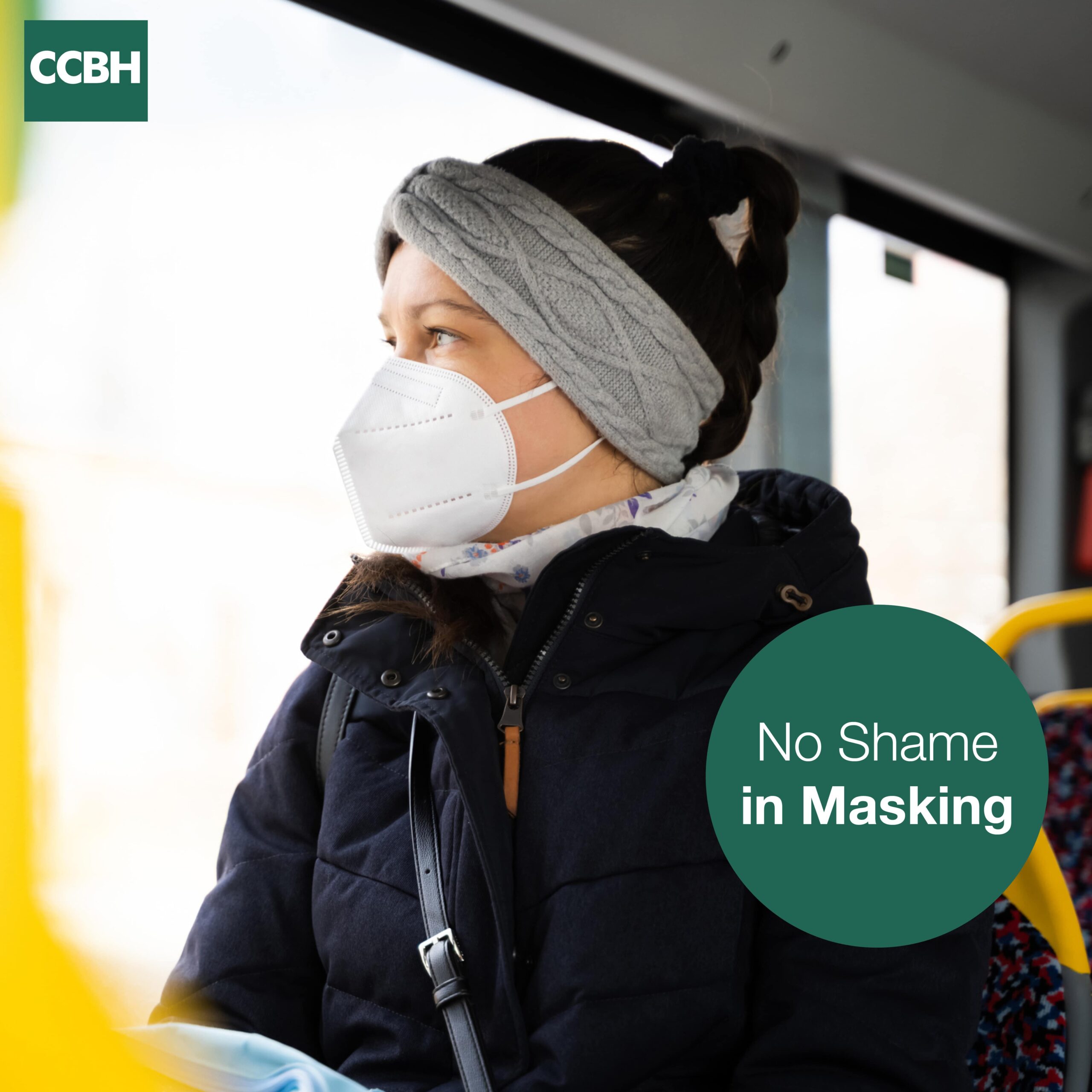
Even with cases of COVID-19 and flu relatively low so far, if you come in contact with either virus, you are still at risk of getting infected. There’s no shame in having a “mask game.” Even if you’re the only one in a store, at work, or on the bus wearing one, don’t be shamed into letting down your defenses.



Post #2
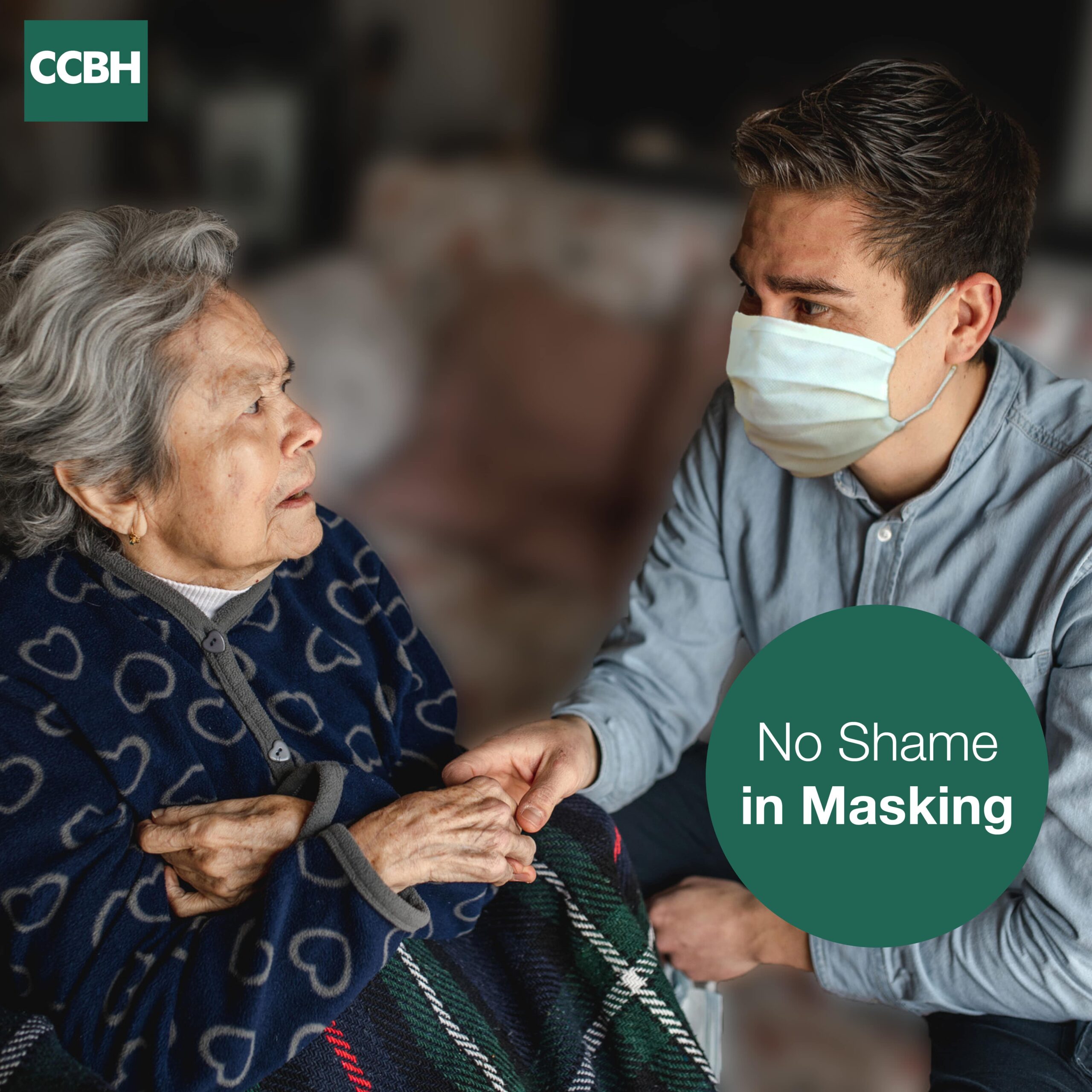
There is no shame in making the choices that are best for keeping YOU and YOUR FAMILY safe, including masking up in crowds and being mindful around those who are at the highest risk of serious health consequences. Don’t be shamed into letting down your defenses. We are all #InThisTogether, so please do what is best for you.




Long COVID Awareness
These messages raise awareness about Long COVID, how it can impact one’s life and what residents should do if they need more information. If desired, you can add a call-to-action to the end of each post to drive them to your organization’s services.
Post #1
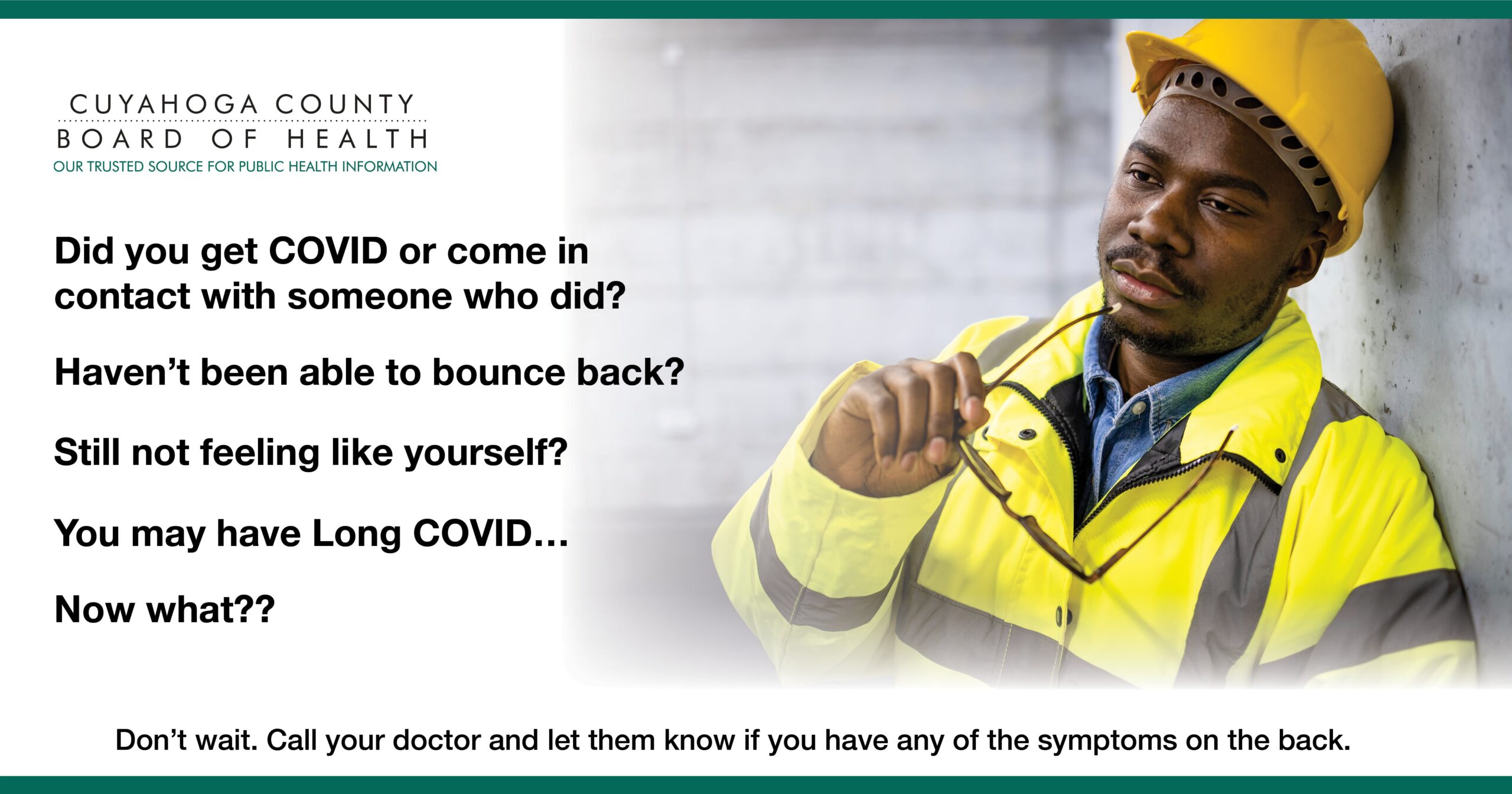
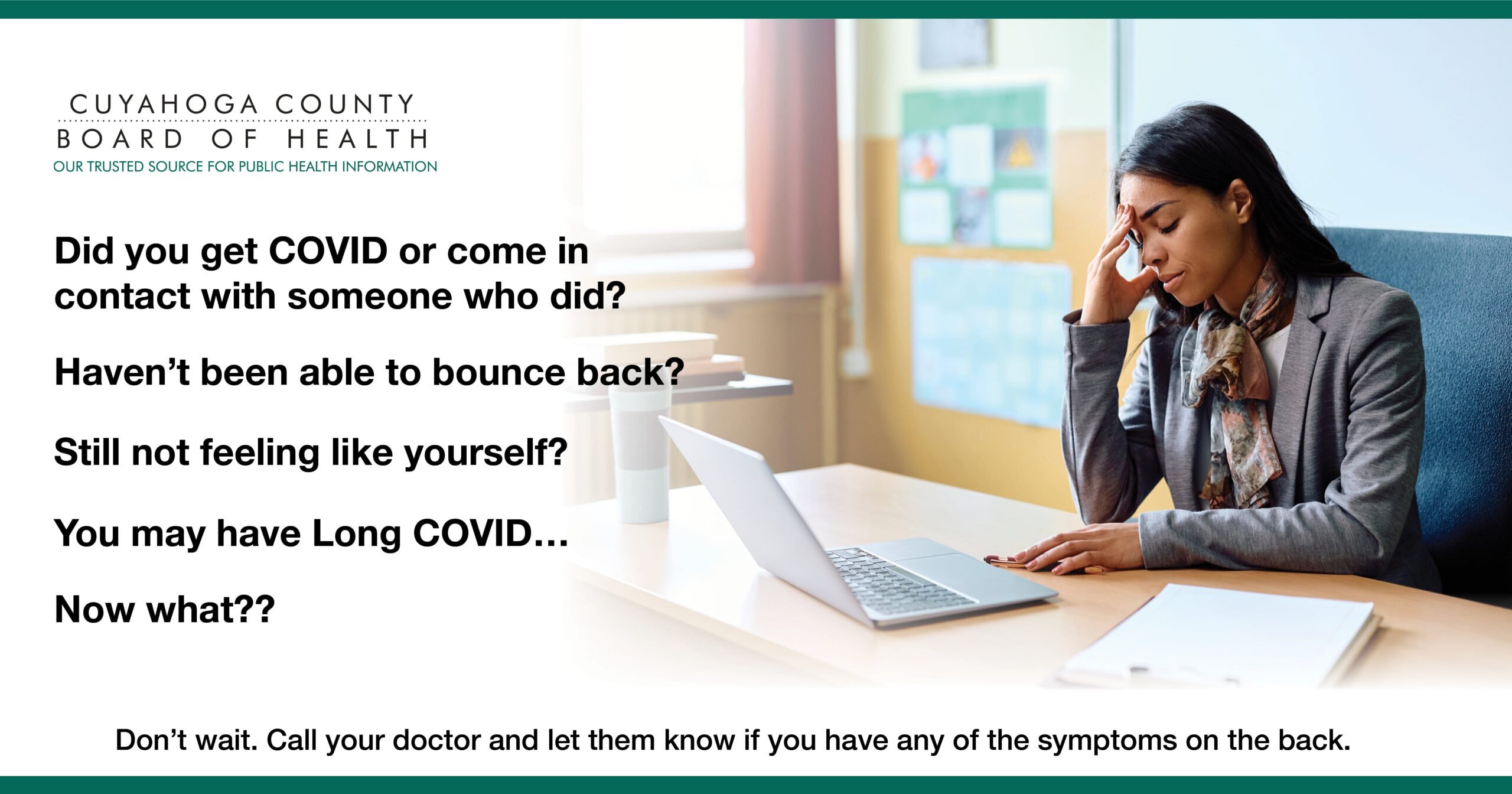
Did you have COVID or come in contact with someone who did? Have you not been feeling like yourself for a month or more afterward? If the answer is YES, then you may have Long COVID. Watch this short video, then visit https://bit.ly/LongCOVIDCDC for a list of symptoms and to learn what to do next.
Post #2
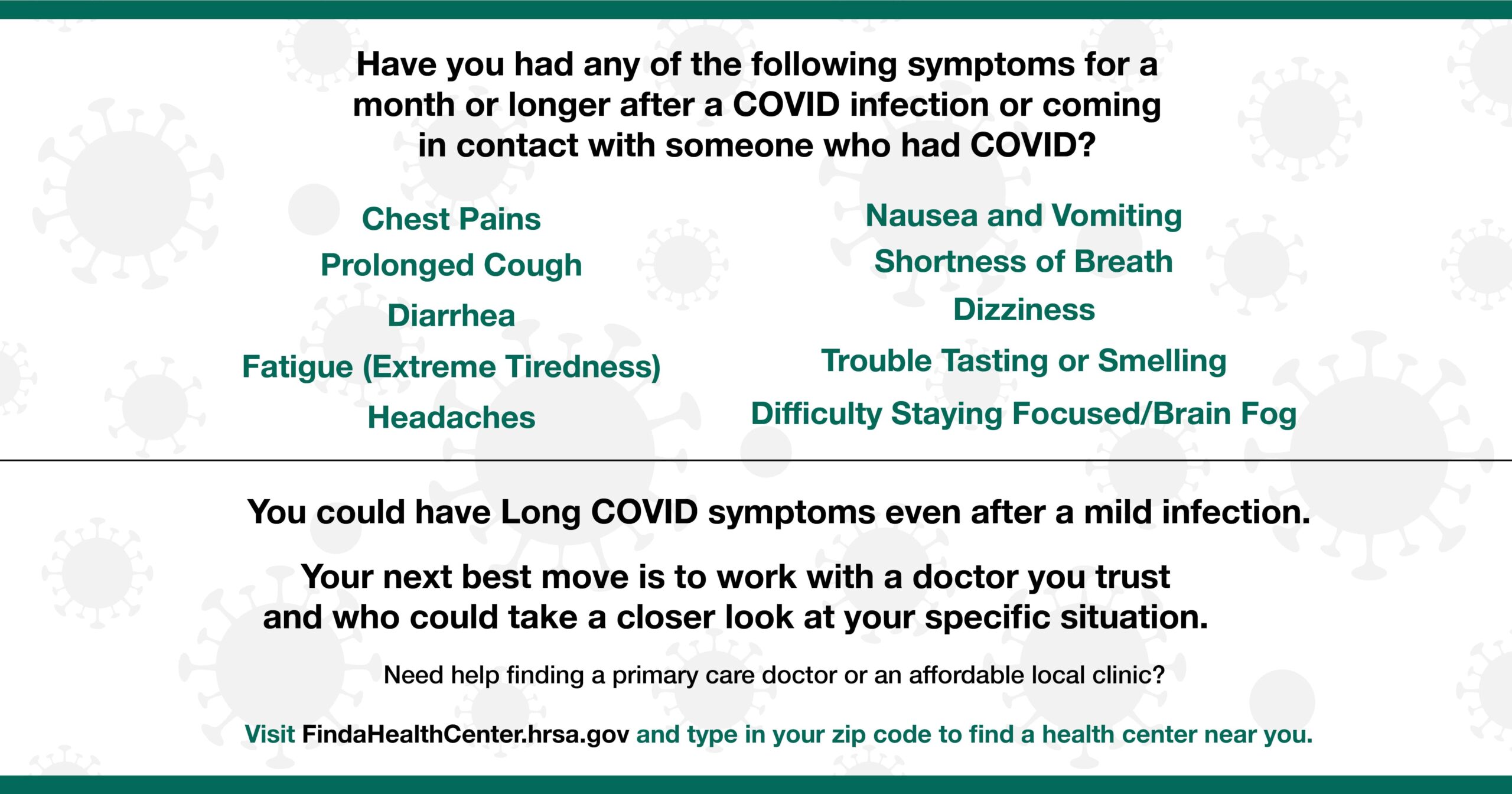
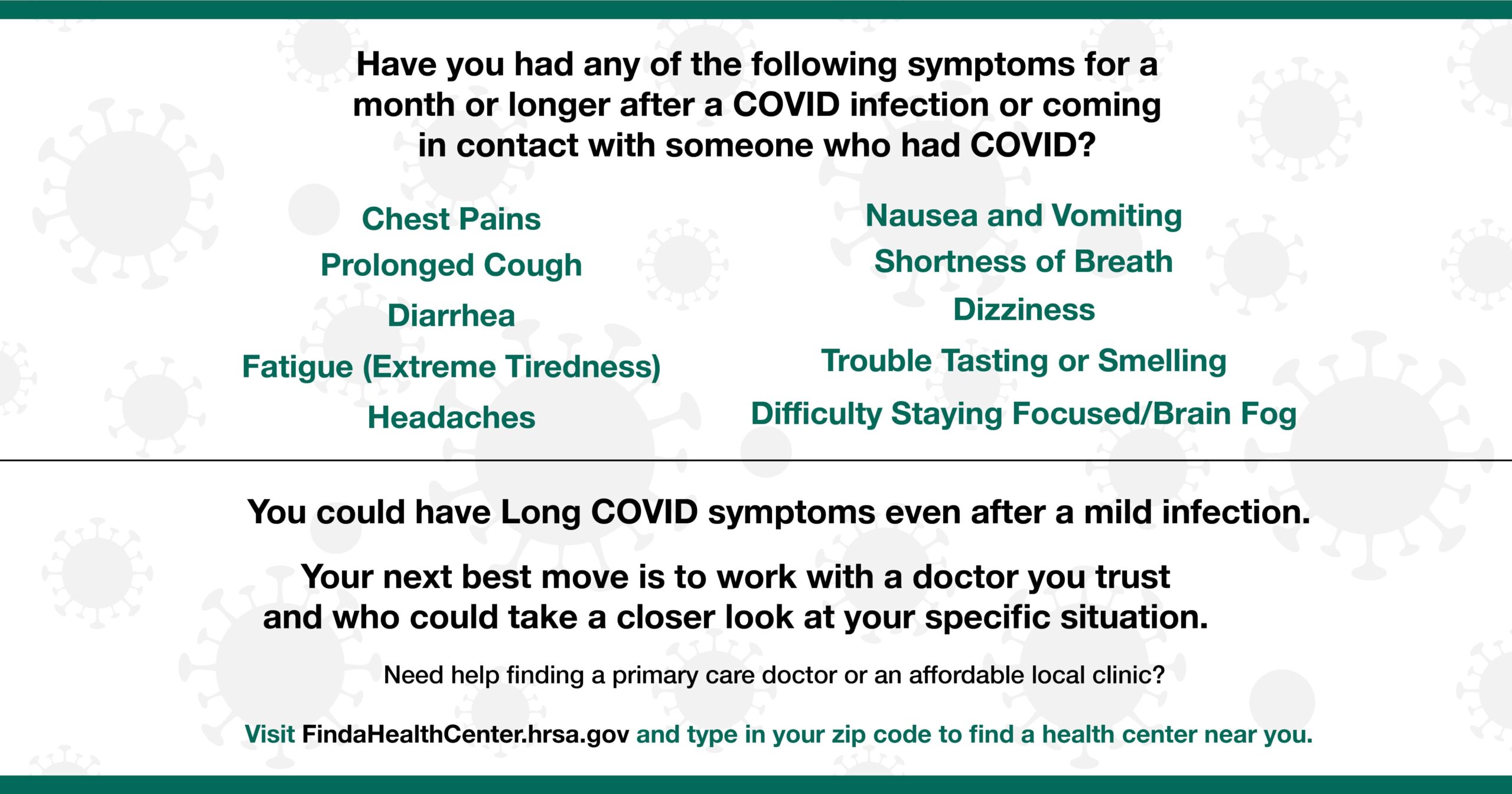
Did you have COVID or come in contact with someone who did? Have you not been feeling like yourself for a month or more afterward? If the answer is YES, then you may have Long COVID. Review the images below for a list of symptoms and to learn what to do next.

COMMUNITY-ENGAGEMENT TACTICS
Making changes in health disparities among African-American and Latinx communities in Cuyahoga County requires a collaborative effort involving a broad range of partners, including various non-traditional elements of the grassroots community. Key individuals and organizations within your community are valuable resources that can be used to promote preventive healthcare and vaccinations.
Thought leaders can be found among community elders, faith-based organizations, health clinics and even among establishments like hair salons and barbershops. The challenge is to harness these resources in a culturally-relevant manner, bringing them together in ways that multiply their reach, penetration and effectiveness.
CONDUCTING EFFECTIVE IN-PERSON EVENTS
MARKETING YOUR EVENT
- Providing refreshments is a welcome addition to your in-person event or meeting.
- Think about incentives you can provide to increase attendance, such as door prizes or an end-of-event raffle. If the meeting is virtual, let attendees know that any incentives will be mailed or delivered to them.
- To attract attention, create flyers and other materials that are colorful and easy-to-read. Use large, centrally-located images and photos that reflect what people in your community look like. Also, use words and phrases that reflect local culture and will catch people’s interest.
- Promote events and activities to both males and females. Encourage people from all walks of life to come out to your event. We need “all-hands-on-deck” to begin to change community attitudes about playing an active role in keeping our loved ones healthy and safe.
- Promote meetings/events as places where people in the community can connect, network and provide mutual support to each other.
EXECUTING YOUR EVENT
- Be straightforward if you want to wait a few minutes for others to join, but also state that you will end on time to be respectful of those who came/joined early or on time.
- As the moderator, make sure that members of the community feel they are being heard and respected, including summarizing (mirroring) what someone says, as time permits. Venting about problems or issues is often a stress reliever.
- Make the sessions flexible and interactive. Community members need to be the main “talkers” at sessions. This is how effective community relationships are built.
- Get attendees to openly share what they have learned—sometimes by trial and error—in their own experiences with managing and making health decisions. They will be able to validate much of the information you are presenting, giving you increased authenticity and credibility.
- Having interactive meetings allows residents to develop their own solutions to complex issues around staying healthy in the midst of barriers and challenges in their community. This builds community capacity for long-term problem-solving and advocacy related to health disparities, even outside of or after your event or session.
- Make some time at the end of the meeting to discuss “next steps” based on the issues discussed.
- Encourage attendees to keep in touch and network with each other after the meeting, creating informal “support groups” for those dealing with similar health issues. Ask attendees if they want to share their contact information with other attendees.
- If time permits, use a brief survey form or other document (or the “chat” feature for online meetings) to gather community feedback on the meeting and get suggestions on how sessions can be expanded or improved in the future.
CONDUCTING EFFECTIVE VIRTUAL EVENTS
This section provides some pointers on how to continue engaging with community members, leveraging online technology.
Note: Remember, not everyone uses formal teleconferencing tools like Zoom or Microsoft Teams regularly. As an alternative, you could try Facebook groups or WhatsApp chat groups to stay in regular communication with community residents.
If using Zoom, Teams, or similar tools…
- Download the app to the computer, tablet or smartphone you will be using to host the meeting. There are free and paid versions, with the latter offering additional tiers of features. You will be prompted if you need to install or update any related software on your computer.
- Set up and invite participants to your meeting using a Meeting ID or weblink sent via email or text.
- Do a few trial meetings internally to learn the features and operation of the platform. This will give you a chance to test your technology—internal microphone vs. headset (reduces ambient noise), the camera, strength of Internet connection, etc. Make sure you tackle the basics, such as how to share your screen to show documents, pictures or PowerPoint slides, for example.
- Before starting the meeting on your computer, it’s often helpful to close all other programs or files that you won’t be needing (helps prevents image freeze-ups and sound lags). In addition, make sure your WiFi signal is as strong as possible; this may require moving closer to your router.
- Enter the meeting a few minutes before start time, so you can greet people as they join.
- Make sure your camera is on; seeing you face-to-face helps people connect with what you are saying.
- Have an agenda for your meeting. You can make it part of your PowerPoint presentation or you can post it in the chat, so participants can keep track of where they are/what’s being discussed.
- It can be useful to have two facilitators working together, one doing the main speaking, while the other monitors the chat box and participants list for questions or comments.
- Set up ground rules for the virtual meeting, so that participants know how to interact with you, other presenters and each other. For example, include a slide at the beginning of the presentation that outlines expectations.
Sample Ground Rules
- All participants have been placed on mute as they enter the session.
- Camera on is/is not mandatory.
- Please hold questions until the end of each presentation section.
- [Zoom] If you have a comment during the presentation, please “raise your hand” virtually. Click on “Participants” at the bottom of the Zoom window. A list of all participants is shown in a window at the right. At the bottom, you will see the icon for raising and lowering your hand.
- When it’s your turn, the moderator will call on you and unmute your mic.
Managing the Virtual Meeting
- The normal cues that you would have in a face-to-face discussion are missing, so sometimes you will have to remind people to limit the length of their comments.
- If people are not interacting, you can directly call on a participant to make a comment. Some people are intimidated about jumping into big group discussions, especially when they can’t see or don’t know everyone.
CONDUCTING EFFECTIVE COMMUNITY CANVASSING
Community canvassing sessions provide an opportunity for you to share campaign information with organizations, establishments and residents that are unable to come out to your in-person or virtual meetings. The idea is for your outreach staff to stop by high-traffic locations, have a short dialogue about the campaign/project and leave materials for display or further distribution.
Planning and executing a community canvassing session consists of the following three steps: 1) initial contact; 2) conducting the canvassing; and 3) tracking.
Initial Contact
Using a predetermined script, calls should be made to the list of prospective canvassing locations. The script should explain that the outreach staff will be in their neighborhood promoting preventive healthcare and vaccinations and distributing outreach materials. The caller should ask whether outreach staff can stop into their establishments, have a short dialogue about the campaign and leave materials for display or further distribution. Organizational reps should also be asked if they know of any other organizations they think would be interested in learning about the campaign and receiving materials.
Conducting the Canvassing
Based on the locations of the organizations that agree to a canvassing visit, MEE recommends using mapping software to develop the most effective and efficient on-the-ground canvassing route. Once the route is established, conduct the canvassing sessions by stopping at the select organizations and retailers with pre-sorted campaign materials. During the canvassing stops, outreach staff should speak with managers or supervisors (i.e., shop owners, organizational representatives, etc.) to explain the importance of the campaign and what we are asking them to do (the 3D’s): display and/or disseminate campaign materials and dialogue with their clients/contacts.
.
Tracking
Outreach staff should track the contact data for the organizations and establishments that are visited during canvassing and enter them into an Excel spreadsheet, along with the amount of materials they delivered. Periodic correspondence (emails, phone calls, social media posts) to canvassed organizations and retailers will keep the campaign “top-of-mind” and spark continued dialogue between providers and customers.
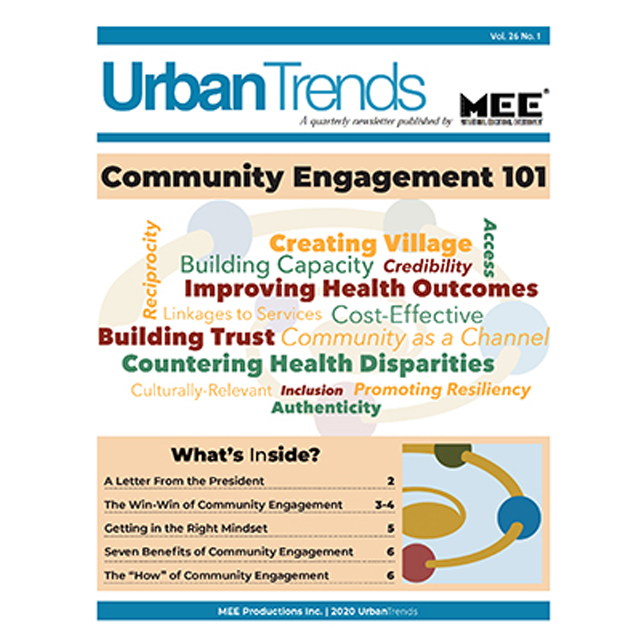
MEE’s COMMUNITY ENGAGEMENT RESOURCES




PRINTABLE CAMPAIGN
COMPONENTS
DIGITAL CAMPAIGN
COMPONENTS
COMMUNITY ENGAGEMENT
TACTICS
READY-TO-USE SOCIAL MEDIA MESSAGING AND GRAPHICS